Just talk.
Your day in your words, your voice. No typing. No blank page. Daylogue listens, understands, and asks the right questions.
Your words carry the context
Speak in your own words and choose what to share. Voice check-ins keep the transcript and the details you provide; Daylogue does not infer emotion from tone, pace, or pauses.
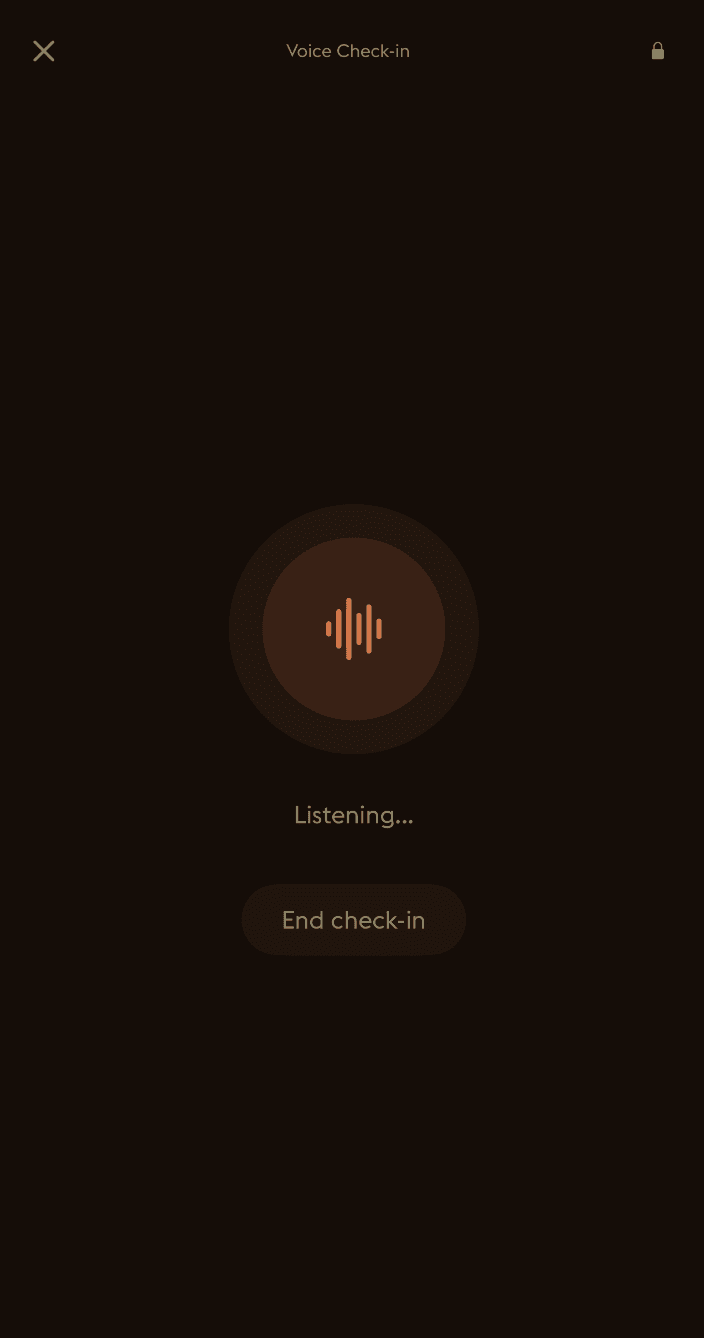
Listening...
“Today was actually pretty good. I had a hard conversation at work but I feel like I handled it well...”
The engineering behind the conversation
A voice check-in feels simple. Making it feel that way took real decisions about which models to trust, what to keep, and what to throw away.
Powered by ElevenLabs
The conversational agent currently uses ElevenLabs. Provider handling follows the role and terms described on our subprocessor page.
Deepgram under the hood
Speech-to-text and read-aloud features may use Deepgram. Speed and transcription accuracy vary with the connection, language, accent, microphone, and surrounding noise.
A disclosed processing path
Your spoken words can become a saved check-in. Daylogue uses what you say and the self-reported fields you provide; it does not infer emotion from vocal tone.
Clear voice-data boundaries
Voice is transmitted for real-time processing. Resulting text and structured fields follow the same storage rules as typed check-ins; provider handling follows our current subprocessor disclosures.
How voice check-ins work
Speak naturally. Daylogue handles the rest.
Talk through your day
Open the app and start speaking. Daylogue transcribes as you go, catches context, and responds like it was actually listening. Because it was.
Follow-up questions included
Say something worth exploring and Daylogue will ask about it. Not a generic prompt. A real response to what you just said. The conversation goes somewhere.
Any language, your language
Check in the language that feels most natural to you. English, Spanish, French, and more. Your emotional vocabulary shouldn't have to translate.
Two minutes, no keyboard
Voice check-ins are an alternative to typing. Talk on a walk, before bed, or whenever speaking fits the moment better than a text field.
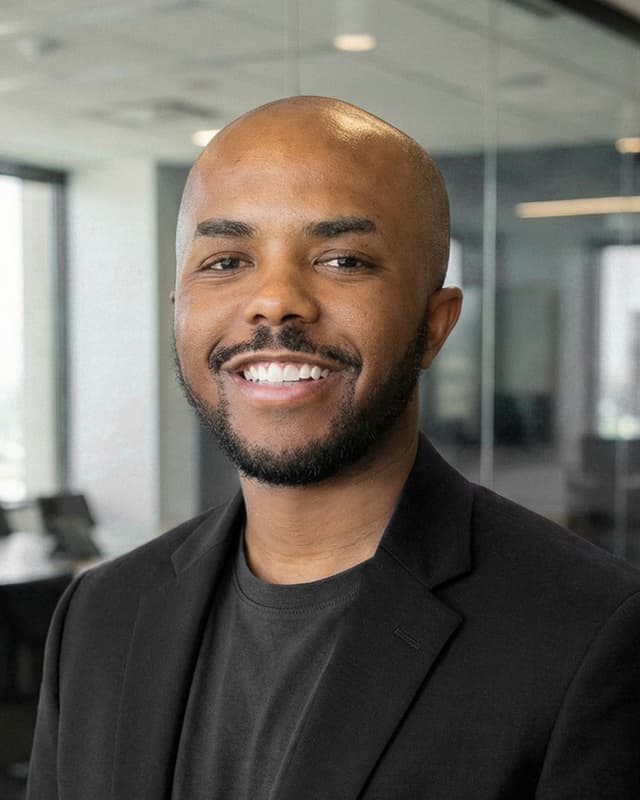
Brandon Bibbins
Founder & CEO · Los Angeles, California
Built all of Daylogue solo: web, iOS, the AI narrative engine, the voice pipeline, and the encryption layer
Former cybersecurity director who led IT and security at Liquid I.V. (acquired by Unilever)
13+ years building secure, production-grade systems
Built the voice check-in pipeline and its provider disclosures
“I tested the most hyped voice models on the market and shipped the one that actually felt human. That gap, between impressive and trustworthy, is the whole game right now.”